
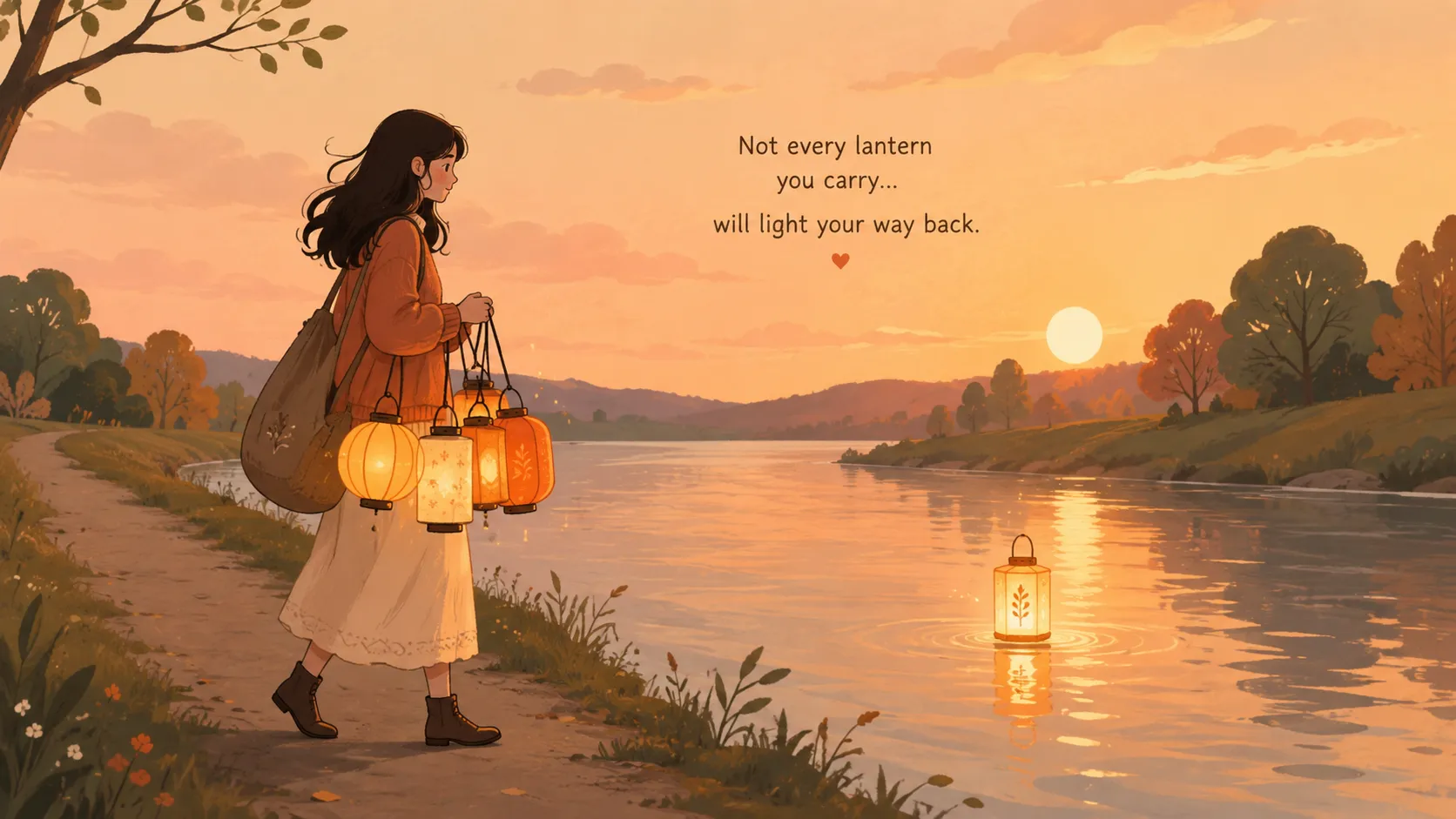
Friendship is often portrayed as one of the simplest relationships in life. Unlike romantic partnerships or family bonds, friendships are supposed to feel natural, effortless, and mutually rewarding. Yet many people secretly carry the same question: Why am I always the one putting in the effort? If you’ve ever found yourself initiating every conversation, checking in first, remembering birthdays, offering emotional support, and making plans while receiving little in return, you’re far from alone.
Recent discussions among psychologists and friendship researchers suggest that one-sided friendships are more common than most people realize. Research frequently shows that people assume their friendships are reciprocal when many actually are not. Studies examining friendship reciprocity have found that only a portion of perceived friendships are genuinely mutual, creating a disconnect between expectation and reality.
The challenge is that unequal friendships rarely begin as obviously unhealthy relationships. They often start with genuine connection, shared interests, and mutual enjoyment. The imbalance develops slowly. One person becomes the planner. One becomes the listener. One becomes the emotional support system. Over time, those roles become permanent.
This gradual shift makes these friendships particularly difficult to recognize. Unlike dramatic conflicts, one-sided friendships create subtle emotional exhaustion. You leave conversations feeling drained instead of energized. You begin questioning your importance to people. You wonder whether anyone would reach out if you stopped making the effort. These experiences are becoming increasingly common as modern social lives become busier, more fragmented, and more dependent on convenience-based communication.
Why More People Are Talking About Friendship Imbalance
Social media has unintentionally exposed a widespread pattern. People frequently describe feeling like the “therapist friend,” the “strong friend,” or the “default planner.” These labels reflect a common experience: becoming responsible for maintaining relationships that should be shared responsibilities.
The conversation around friendship imbalance has grown because many adults are discovering that emotional support is not always distributed equally. As life becomes more demanding, some people continue investing heavily in relationships while others become passive participants.
What Research Says About Reciprocity in Friendships
Researchers consistently identify reciprocity as one of the strongest foundations of healthy friendships. Reciprocal relationships involve mutual effort, mutual concern, and a shared willingness to contribute emotionally. Studies show that friendships characterized by reciprocity tend to be associated with stronger well-being, greater belonging, and higher relationship satisfaction.
When reciprocity disappears, friendships often become emotionally draining rather than emotionally restorative.
What Exactly Is a One-Sided Friendship?
A one-sided friendship is not simply a friendship where one person needs extra support during a difficult season. Every healthy relationship experiences periods of imbalance. Someone loses a job. Someone experiences grief. Someone struggles with mental health challenges. During those moments, support naturally flows more heavily in one direction.
The problem arises when the imbalance becomes permanent.
In a one-sided friendship, one person consistently provides more emotional energy, attention, time, effort, and consideration than the other. They initiate conversations, remember important events, solve problems, provide encouragement, and maintain contact. The other person largely receives these benefits without contributing at the same level.
The imbalance becomes visible when you examine patterns rather than isolated incidents. A friend forgetting your birthday once means very little. A friend forgetting important moments while expecting you to celebrate every milestone in their life tells a different story.
The Difference Between Temporary Imbalance and Chronic Imbalance
Healthy friendships bend. Unhealthy friendships lean permanently in one direction.
Temporary imbalance feels understandable. Chronic imbalance feels expected. One friend becomes accustomed to giving while the other becomes accustomed to receiving.
This distinction matters because many generous people excuse unhealthy patterns by focusing on individual situations rather than long-term behavior.
Emotional Labor and Unequal Investment
One of the least discussed aspects of friendship is emotional labor. Emotional labor includes remembering details about someone’s life, offering reassurance, anticipating needs, listening attentively, and helping others regulate difficult emotions.
Psychological research increasingly recognizes that unreciprocated emotional labor contributes significantly to emotional exhaustion and relationship dissatisfaction.
When one person carries most of this emotional responsibility, the friendship gradually stops feeling like a partnership and starts feeling like a job.
Patterns That Quietly Create Unequal Friendships
Many people assume they simply have bad luck with friendships. In reality, certain behavioral patterns can unintentionally increase the likelihood of attracting one-sided relationships.
One common pattern is becoming emotionally available too quickly. Generous people often reveal a willingness to help before trust has been fully established. They become deeply invested in someone else’s life before determining whether the other person has the capacity or willingness to reciprocate.
Another pattern involves overlooking early signs of imbalance. Humans naturally seek connection, and loneliness can make people tolerate behavior they would otherwise question. When someone occasionally provides warmth or validation, it becomes easier to ignore evidence that the relationship lacks balance.
Becoming the “Helper” Too Early
Many people establish a friendship identity based on usefulness. They become the problem solver, advice giver, listener, organizer, or caretaker.
At first, this role feels rewarding. People appreciate them. Friends seek them out. They feel important.
The hidden risk is that relationships built primarily on what you provide often struggle when you need support yourself.
Overlooking Red Flags for the Sake of Connection
Early warning signs often appear in subtle ways. Maybe a friend rarely asks questions about your life. Maybe they cancel plans frequently but expect flexibility from you. Maybe conversations consistently return to their problems.
Because these behaviors seem minor individually, they often go unchallenged.
Mistaking Being Needed for Being Valued
Being needed feels powerful. Being valued feels secure.
The two are not the same thing.
Some friendships survive because one person provides emotional resources, not because genuine mutual appreciation exists. Recognizing this distinction can dramatically change how you evaluate relationships.
The Role People-Pleasing Can Play in Your Social Life
People-pleasing is one of the strongest predictors of recurring friendship imbalance.
People-pleasers often prioritize harmony over authenticity. They avoid disappointing others. They struggle to express needs. They derive self-worth from being helpful.
On the surface, these traits appear positive. They create kindness, generosity, and reliability. Yet they can also create invisible invitations for unequal relationships.
People who consistently say yes teach others to expect yes.
People who rarely express needs teach others to overlook those needs.
People who tolerate imbalance teach others that imbalance is acceptable.
Why Approval-Seeking Shapes Friendship Choices
Many people unconsciously choose friendships that recreate familiar emotional experiences.
If earning approval felt important growing up, you may feel drawn toward relationships where acceptance seems conditional. You work harder, give more, and invest more heavily because the dynamic feels familiar.
This doesn’t happen consciously. It emerges through repeated behavior patterns.
The Cost of Avoiding Conflict
Conflict avoidance often protects short-term comfort while creating long-term resentment.
Many people remain silent about friendship imbalances because they fear appearing demanding, needy, or dramatic. Instead of addressing concerns, they continue giving while privately feeling hurt.
Over time, unspoken resentment becomes one of the biggest threats to friendship satisfaction.
When Emotional Availability Becomes Unbalanced
Being emotionally available is generally considered a strength. Empathy builds trust. Compassion deepens connection. Support strengthens relationships.
The issue arises when emotional availability flows almost entirely in one direction.
Some individuals become emotional anchors for everyone around them. Friends rely on them during crises, breakups, career challenges, and personal struggles. Yet when they need support themselves, the response is noticeably weaker.
This experience often leaves people questioning their worth rather than questioning the relationship dynamic.
Being Everyone’s Therapist Friend
The therapist friend phenomenon has become increasingly common.
These individuals absorb stress, provide advice, validate emotions, and remain consistently available. Because they appear emotionally strong, others assume they need less support.
Ironically, their competence becomes part of the problem.
The better they become at caring for others, the less likely others are to recognize their own emotional needs.
Why Some People Rarely Return Emotional Support
Not every emotionally unavailable friend is intentionally selfish.
Some lack emotional awareness. Others were never taught how to provide support. Some become so accustomed to receiving help that they stop noticing the imbalance.
Research examining friendship reciprocity suggests that people often misjudge the mutuality of their relationships. They believe they are contributing more than they actually are.
Signs You Are Giving More Than You Receive
Recognizing friendship imbalance requires honest observation rather than emotional guesswork.
One major sign is being the perpetual initiator. If communication disappears whenever you stop reaching out, the relationship may depend primarily on your effort.
Another sign involves emotional asymmetry. You know detailed information about their life, but they know very little about yours.
Many people also notice a recurring sense of disappointment after interactions. Instead of feeling supported, they feel depleted.
Behavioral and Emotional Warning Signs
| Sign | What It Often Indicates |
|---|---|
| You always text first | Unequal investment |
| They only contact you when needed | Convenience-based connection |
| They rarely ask about your life | Low emotional curiosity |
| You feel drained after interactions | Emotional labor imbalance |
| Your needs feel secondary | Lack of reciprocity |
How Resentment Quietly Builds
Resentment rarely appears suddenly.
It develops through dozens of overlooked moments. The unanswered message. The forgotten birthday. The canceled plans. The absence during difficult times.
Each incident seems small. Together, they create emotional distance.
Why Some People Keep Taking Without Reciprocating
One of the most frustrating questions in friendship is why certain people continue accepting support without offering much in return.
The answer is not always malicious intent.
Some people genuinely lack awareness. Others have developed habits of emotional dependence. Some prioritize convenience over reciprocity because no one has challenged the dynamic.
Social relationships naturally follow established patterns. If a friendship has operated unevenly for years, both people may unconsciously assume that arrangement is normal.
Self-Awareness Versus Self-Centeredness
There is a significant difference between self-centered behavior and limited self-awareness.
Self-centered individuals recognize the imbalance and continue benefiting from it.
Less aware individuals may not realize how much emotional work someone else performs.
The solution often begins with communication rather than assumption.
The Convenience Dynamic
Convenience plays a larger role in friendship than many people realize.
Some people maintain relationships primarily because they provide emotional comfort, practical assistance, or validation. When convenience becomes the primary motivation, reciprocity often declines.
This dynamic explains why some friendships weaken immediately after boundaries are introduced.
Boundaries That Change the Dynamic
Boundaries are not walls. They are guidelines that define healthy participation in relationships.
Many people fear boundaries because they associate them with rejection or conflict. In reality, boundaries create clarity.
They reveal which friendships are capable of adapting and which depend on imbalance.
When you stop overextending yourself, certain relationships may become stronger. Others may disappear entirely.
Both outcomes provide valuable information.
Learning to Say No Without Guilt
Saying no can feel uncomfortable for habitual givers.
Yet every healthy friendship requires space for individual needs.
Declining requests, protecting your time, and communicating limits are not acts of selfishness. They are acts of self-respect.
Healthy friends adjust. Unhealthy dynamics often resist.
Testing the Strength of a Friendship
One practical way to assess reciprocity is to reduce effort temporarily.
Stop initiating every conversation.
Stop solving every problem.
Stop carrying every emotional burden.
Observe what happens.
Mutual friendships tend to rebalance themselves. One-sided friendships often become noticeably quieter.
Building Friendships That Feel Mutual and Respectful
Creating healthier friendships is not primarily about finding perfect people. It is about recognizing healthier patterns.
Mutual friendships are characterized by curiosity, effort, consistency, accountability, and emotional generosity.
The people involved care about each other’s experiences rather than treating the relationship as a resource to consume.
These friendships feel lighter because responsibility is shared.
Choosing Reciprocity Over Familiarity
Many people repeatedly choose familiar relationship dynamics over healthy ones.
The challenge is that familiar patterns often feel comfortable, even when they are painful.
Building better friendships requires paying attention not just to chemistry but also to reciprocity.
Ask yourself:
- Do they show interest in my life?
- Do they remember important details?
- Do they support me during difficult periods?
- Do I feel valued beyond what I provide?
These questions reveal far more than surface-level compatibility.
Creating Relationships That Last
Lasting friendships are built through mutual investment over time.
Research consistently highlights reciprocity, equality, and support as core ingredients of friendship closeness and satisfaction.
The strongest friendships are not perfectly balanced every day. They simply maintain a shared commitment to showing up for each other over the long run.
When both people contribute effort, emotional energy, and care, friendship becomes what it was always meant to be: a source of connection rather than a source of depletion.
Conclusion
One-sided friendships rarely develop overnight. They emerge through repeated patterns of overgiving, under-communicating, avoiding conflict, and accepting less than genuine reciprocity. While some people may take advantage of emotional generosity, many unequal friendships persist because both individuals unconsciously adapt to roles that feel familiar.
Recognizing these dynamics is not about becoming less caring. It is about becoming more intentional. Healthy friendships allow support to flow in both directions. They create space for vulnerability, respect boundaries, and encourage mutual investment. When you stop measuring your value by how much you can give, you create room for relationships that appreciate who you are rather than simply what you provide.
The goal is not to keep score. The goal is to build friendships where effort, care, and emotional presence feel shared. Those relationships are not only more sustainable; they are also far more fulfilling.
FAQs
1. Why do I keep attracting one-sided friendships?
Often, recurring friendship imbalance is linked to patterns such as people-pleasing, overgiving, conflict avoidance, or becoming emotionally available too quickly. These behaviors can unintentionally attract people who enjoy receiving support without offering the same level of investment.
2. Can a one-sided friendship become healthy again?
Yes. Some one-sided friendships improve when the imbalance is discussed openly and boundaries are established. The outcome depends largely on whether the other person is willing to recognize and address the issue.
3. How do I know if I am expecting too much from friends?
Healthy expectations include respect, basic reciprocity, emotional support, and consistent effort. Expecting perfection is unrealistic, but expecting mutual care is entirely reasonable.
4. Should I end a friendship that feels one-sided?
Not necessarily. Start by evaluating patterns, communicating concerns, and adjusting boundaries. If the friendship continues to drain you despite these efforts, creating distance may be the healthiest option.
5. What is the biggest sign of a one-sided friendship?
One of the clearest signs is consistently being the only person maintaining the relationship. If communication, planning, and emotional support disappear whenever you stop initiating, the friendship may rely heavily on your effort alone.

Kieran Holt is a 35-year-old American blogger and digital content specialist from Madison, Wisconsin. With years of experience writing educational and evergreen online content, he focuses on delivering clear, well-structured articles backed by credible sources. His professional approach and passion for helping readers have made him a trusted contributor at bestfriendbond.xyz, where he regularly writes informative content across multiple lifestyle topics.